Coffee is one of the most amazing drinks of our time. You could drink coffee in the morning, after the or with the lunch, and even after a dinner. The most famous coffee shops like Starbucks and Caffe Nero are opening new places all over the World, and also in this last few years there is a new vibe which they called it ‘The 3rd wave coffee shops’. Therefore coffee production and serving industries are growing with increasing demand. But did you know what is happening to all the wastes that were produced by the coffee industry? And did you know all these coffee wastes can be useful for producing clean biofuels..?

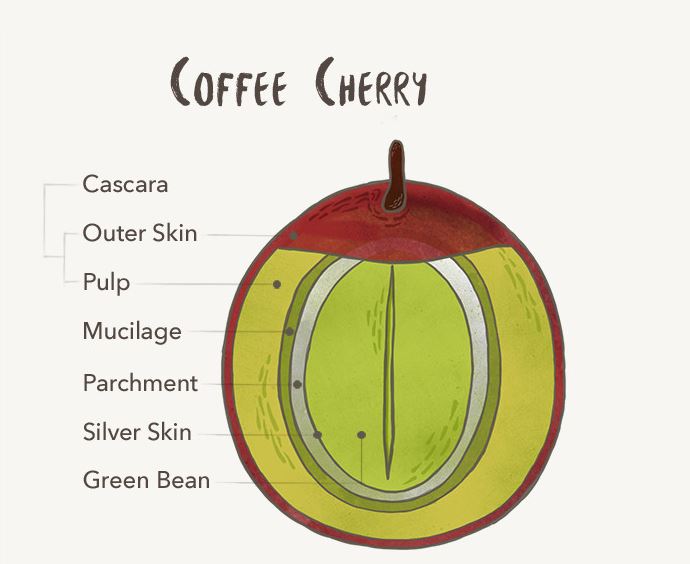
Coffee is made from coffee cherries. You peel the outer layers of these coffee cherries and take the coffee beans out of the coffee cherries. Then you roast these coffee beans with different techniques and ground them for extracting the aroma and essence of coffee beans. By doing these steps you could enjoy a cup of coffee when reading your favorite book. But the problem is what will happen to those wastes created in these steps…
As I recall, Starbucks is giving away the used ground coffee to everyone that wants it, and these used ground coffees can be used as a fertilizer for houseplants. Starbucks call this “Coffee for your garden”. But you need to use a little bit because those ground coffees have still caffeine and too much caffeine will be really bad for your orchids or petunias. By the way, if you want to read more about the effect of caffeine on the plants you can read it here .
However, I am going to tell you an effective way to use all of these coffee wastes for producing environment-friendly biodiesel and bioethanol for your old-fashion car. For example, spent coffee grounds (also called ground coffee wastes) contains 10-15% wt. You could extract all this oil and produce biodiesel with transesterification reaction. Two pretty important problems in this process are the biodiesel yield and reusing all of the transesterification agents. Firstly, your biodiesel yield needs to be as close to 100% as possible to fully utilize all the coffee oil. And second, transesterification agents like hexane or toluene are toxic to nature. Therefore, these need to be reused for as long as possible.
After extracting these spent coffee grounds and taking out the whole oil content, there is still a large portion of solid waste remains. But do not worry, because this solid waste is made of mostly lignocellulosic and cellulosic materials. If we use this solid waste in an ethanol fermentation process, we could produce bioethanol for fueling our cars. Fermentation could be carried out by bacterias (E. coli) or mostly by yeasts (S.cereviciae). Before the fermentation process, a hydrolysis process is needed for broken down lignocelluloses to glucose. By doing this, the production efficiency of the bioethanol increases.
Even If I mention only biodiesel and bioethanol production by using spent coffee ground, there are still lots of products which are made from other waste parts of coffee, or by applying different processes to these wastes. For instance, you can see some of the possible products in the below,
Still, I need to say that the production efficiency of these products is not enough in the industrial application. However, I talk about only coffee wastes and there are still lots of other organic wastes in our world. We can utilize all of these waste and create a more bright future.
For more reading here are the sources that I use:
Leave a Reply